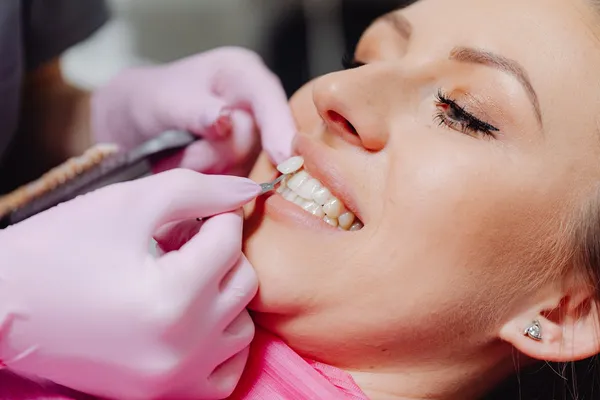
Dental veneers — thin porcelain shells bonded to the front surface of teeth — are among the most popular dental tourism procedures, and the cost savings are genuinely dramatic. Ten porcelain veneers in UK private practice cost £7,000–£12,000. The same procedure in Turkey costs £1,800–£2,800. For patients who want to significantly improve their smile aesthetics, dental tourism veneers represent an accessible option that would be financially out of reach for many at UK prices. However, veneers involve considerations that patients should understand before committing.
Understanding the Irreversibility of Veneer Preparation
Conventional porcelain veneers require removing a thin layer of tooth enamel — typically 0.3–0.7mm — from the front surface of each tooth being treated. This preparation is irreversible: once enamel is removed, it cannot be replaced. The prepared teeth will always require veneers or crowns from that point forward.
This is not a reason to avoid veneers — it is a reason to be certain you want them. Many patients who have veneers in their 20s or 30s will need to have them replaced two or three times over their lifetime (veneers have a typical lifespan of 10–20 years), with each replacement requiring decisions about the continuing appropriate restoration for the prepared teeth.
Minimally-invasive or "no-prep" veneers are available for certain cases — thin veneers (Lumineers and similar brands) that require minimal or no enamel removal. These are appropriate for a narrower range of cases but avoid the irreversibility issue. Ask your treating dentist whether no-prep veneers are clinically appropriate for your case.
Colour Matching and Aesthetic Outcomes
Achieving natural-looking colour matching in veneers is one of the most technically demanding aspects of cosmetic dentistry, and it is an area where the dental tourism context can introduce challenges. Good veneer colour matching requires: careful shade selection considering your natural tooth colour, skin tone and personal preferences; a skilled laboratory technician who understands individual shade nuance; and the ability to refine and adjust the shade before the final veneers are bonded.
In a dental tourism context — particularly when the entire treatment is compressed into five or six days — the communication between patient, dentist and laboratory technician is often more abbreviated than in a prolonged relationship with a UK cosmetic dentist. Shade communication must be very precise during the pre-treatment consultation. Photographs in natural light, a discussion of your aesthetic objectives, and if possible a trial smile (where temporary veneers are fitted before any preparation to allow you to approve the aesthetic) are all important processes that should not be skipped under time pressure.
Evaluating Laboratory Quality
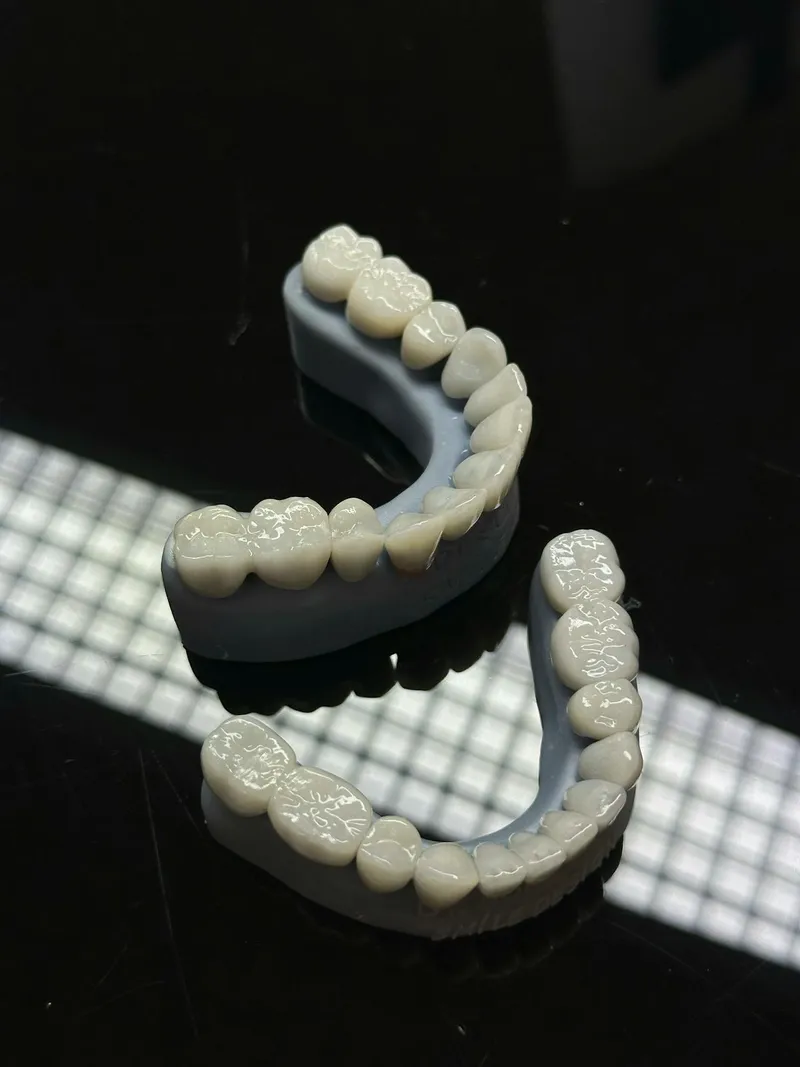
The porcelain veneer is not made in the dental chair — it is made in a dental laboratory, either in-house at the clinic or by an external laboratory. The quality of the finished veneer depends substantially on the skill of the ceramic technician. Top-tier dental tourism clinics have in-house CAD/CAM milling capabilities and employ ceramic technicians specialising in aesthetic restorations. Mid-tier clinics may outsource to external laboratories of varying quality.
Questions to ask: Does the clinic have an in-house laboratory? Can you see examples of completed veneer cases from real patients treated at this clinic? What material are the veneers made from — e.max lithium disilicate (the gold standard for aesthetics), zirconia-based ceramic, or conventional feldspathic porcelain?
What Can Go Wrong with Veneers Abroad
Colour mismatch
Veneers that are noticeably different in shade from your natural teeth or from your stated preferences. Harder to correct without replacing the veneers entirely.
Poor fit and bonding failure
Veneers that lift at the margins, allowing bacterial ingress and decay of the underlying tooth. Caused by inadequate preparation or bonding technique.
Over-preparation
Removing more enamel than necessary for the treatment objective, weakening the underlying tooth structure beyond what the treatment required.
Bite problems
Veneers that alter the occlusal (bite) plane, causing jaw discomfort, headaches or uneven wear on other teeth. Requires careful occlusal assessment before and after preparation.
Get anonymous quotes for veneers from verified clinics
Compare veneer prices from multiple verified clinics across Turkey, Hungary and other destinations — without sharing your details until you're ready.