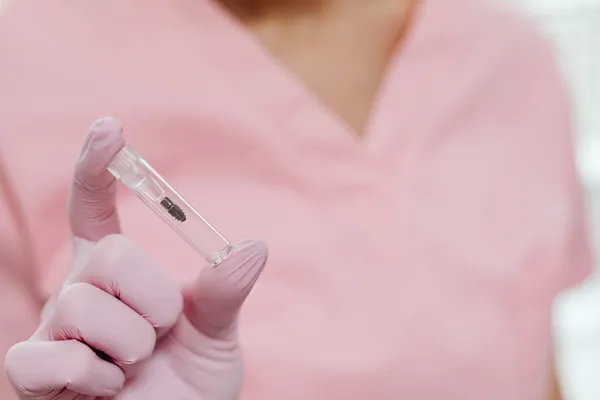
Dental implants are the most commonly sought procedure in dental tourism, and for clear economic reasons. A single implant in UK private practice costs £2,000–£3,500. The identical titanium component, with an identical crown made in the same digital laboratory workflow, costs £600–£900 in Turkey. For patients requiring multiple implants, the savings are proportionally larger. The question is not whether the savings are real — they are — but whether you can access them without compromising on the clinical factors that determine whether an implant succeeds or fails.
What a Dental Implant Actually Involves
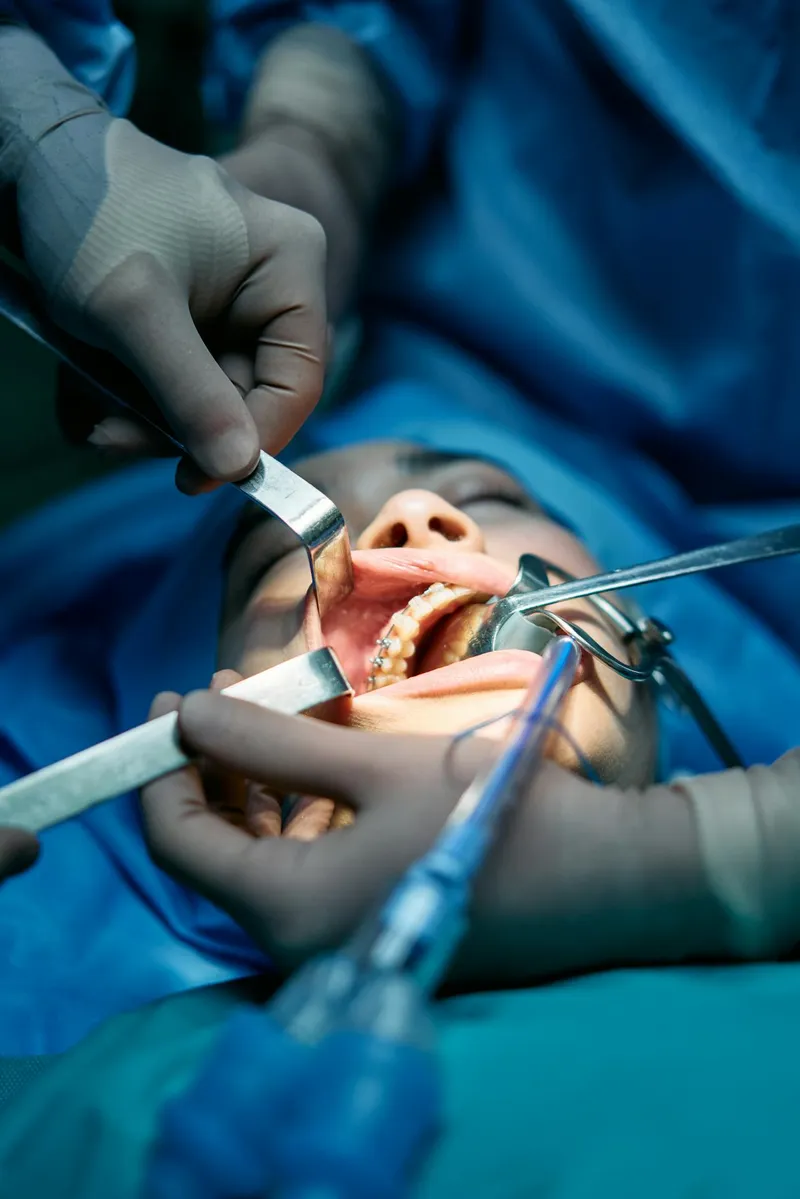
A dental implant is a titanium post — typically 10–16mm long and 3.5–5mm in diameter — that is surgically placed into the jawbone to serve as an artificial tooth root. Once integrated with the bone (a process called osseointegration), it supports a dental crown, bridge or other prosthetic. The implant procedure has three main stages: placement of the implant into the bone; the osseointegration period; and placement of the final crown.
Osseointegration typically takes three to six months. During this period, the titanium forms a biological bond with the surrounding bone tissue. The quality of this bond determines the long-term success of the implant. Conventional implant protocols place a healing abutment immediately after surgery, wait for osseointegration, then place the final crown. Immediate loading protocols — placing a temporary crown on the day of surgery — are clinically appropriate in certain cases but not universally so.
The full process therefore typically requires two separate visits if done conventionally: one for the surgical placement, and one approximately three to six months later for the final crown. Many dental tourists are attracted by "same-day" or "one-trip" implant promises — which are sometimes clinically appropriate and sometimes a commercially convenient compression of a biological process that cannot safely be rushed.
Cost by Country — 2025 Data
| Country | Single implant + crown | Regulatory status | Saving vs UK |
|---|---|---|---|
| UK (private) | £2,000–£3,500 | GDC regulated | — |
| Turkey | £600–£900 | Ministry of Health | ~70% |
| Hungary | £800–£1,100 | EU regulated | ~60% |
| Albania | £400–£700 | Non-EU candidate | ~75% |
| Poland | £700–£1,000 | EU regulated | ~65% |
| Croatia | £800–£1,100 | EU regulated | ~60% |
| Mexico | £500–£850 | COFEPRIS | ~70% |
| Thailand | £900–£1,400 | Ministry of Health | ~55% |
| India | £300–£600 | Dental Council of India | ~75% |
| Colombia | £500–£800 | MINSALUD | ~70% |
| Spain | £1,400–£2,000 | EU regulated | ~40% |
Prices shown for premium implant brands (Straumann, Nobel Biocare, Dentsply Sirona). Prices for unbranded implants may be lower — but see the implant brand section below.
The Implant Brand Question
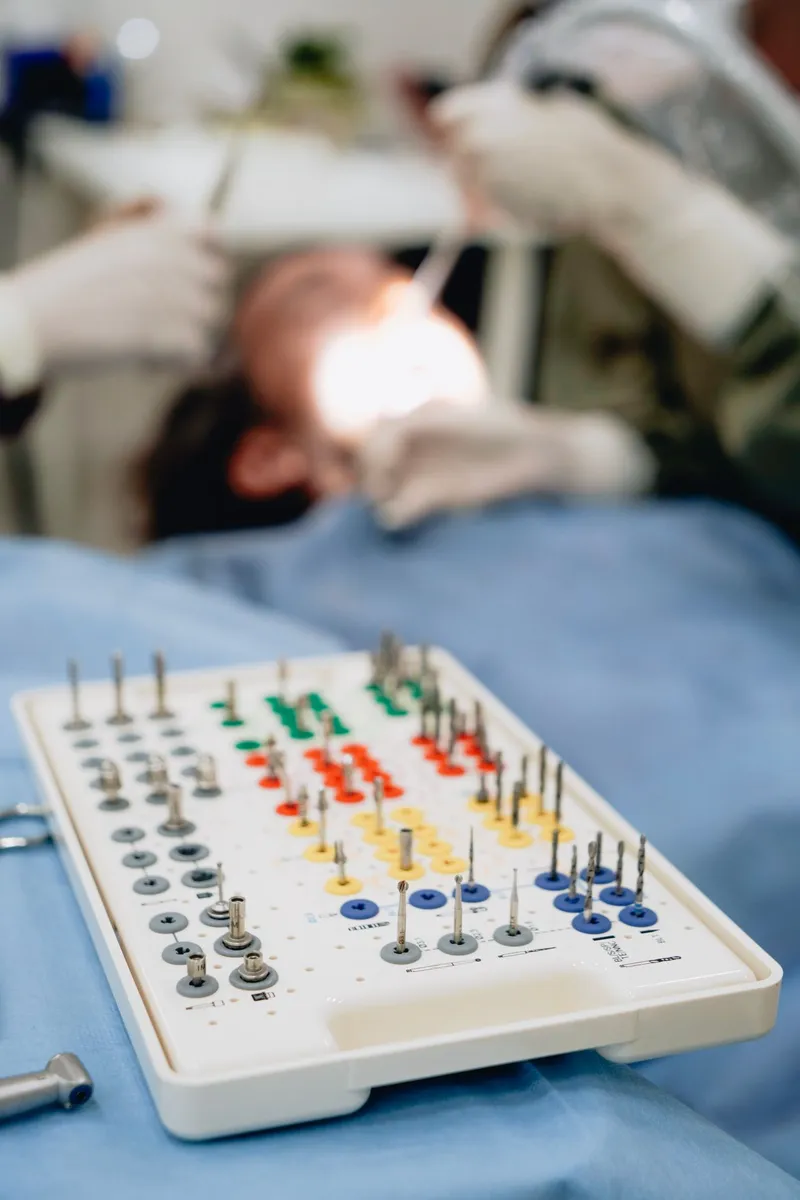
Not all implants are equal. The established premium brands — Straumann (Switzerland), Nobel Biocare (Sweden), Dentsply Sirona (USA), Zimmer Biomet (USA), and Osstem (South Korea) — have decades of independently published clinical data behind them. Each has a comprehensive prosthetic component catalogue, meaning that any competent dentist anywhere in the world can source replacement or repair components for your specific implant. The published 10-year survival rates for these brands are consistently above 95% in well-conducted clinical trials.
Unbranded implants — often described in clinic marketing as "quality European implants" or "Swiss-made components" without naming the specific brand — represent an unknown quantity. They may work perfectly well. They may fail at higher rates. Critically, if an unbranded implant requires repair or replacement after you return to the UK, no UK dentist may be able to source the prosthetic components to do so. This is not a theoretical problem — it is a real, documented complication of dental tourism that results in patients requiring the failed implant to be surgically removed and replaced from scratch.
What to ask:
- "What is the brand name of the implant you use?"
- "What is the implant reference number? (this should appear on my treatment plan and invoice)"
- "Where are these implants manufactured?"
- "Are these implants CE-marked and listed on the manufacturer's website?"
The Timeline Issue — When One Trip Is Not Enough
Immediate loading (placing a permanent or temporary crown on the day of implant surgery) is clinically appropriate for specific patient profiles: patients with sufficient bone density, no complicating health conditions, and single implants in non-high-stress positions. For these patients, a single dental tourism trip can realistically complete an implant from placement to final crown.
For patients with compromised bone density, requiring bone grafting, needing multiple implants in high-stress positions, or with certain health conditions (diabetes, osteoporosis, autoimmune conditions), conventional staged loading with a full osseointegration period is clinically superior. Attempting to complete such cases in a single trip introduces unnecessary failure risk.
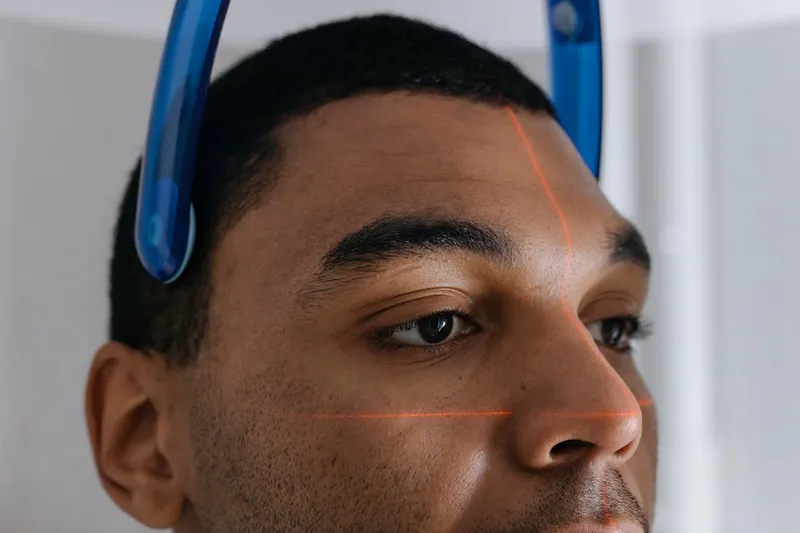
The practical implication: before committing to a single-trip implant plan, ask your treating dentist to explain in writing why immediate or early loading is appropriate for your specific case, citing your bone density assessment from the CBCT scan. If the clinic does not perform a CBCT scan, or if they cannot explain the clinical rationale for your specific case, these are warning signs.
What Goes Wrong with Implants Abroad
Early implant failure (osseointegration failure)
Cause: Most often caused by infection from inadequate sterilisation, rushed immediate loading in unsuitable patients, or patient smoking contrary to post-op instructions.
Frequency: Occurs in approximately 1–3% of implants at reputable clinics; higher in facilities with inadequate infection control.
Peri-implantitis
Cause: Bacterial infection of the tissue around an integrated implant. Can occur at any time after placement, often related to inadequate bone thickness at placement, smoking, or poor oral hygiene.
Frequency: Affects approximately 10–20% of implants over 10 years in general populations; ongoing area of clinical research.
Crown or abutment failure
Cause: Physical failure of the crown or the component connecting the crown to the implant. More common with low-quality materials or poor bite assessment.
Frequency: Rare with premium materials and correct occlusal assessment, but occurs.
Implant component incompatibility
Cause: Unbranded implant is used, and when repair is needed post-return, no UK dentist can source compatible prosthetic components.
Frequency: Not uncommon in dental tourism complaint cases — prevents any repair without complete removal and replacement.
Get anonymous quotes for dental implants
Compare prices from multiple verified clinics across Turkey, Hungary, Albania and other destinations — without sharing your details until you're ready.